What is the Best Camping Power Supply for Your Needs?

Time:2026-08-16 Author:Oliver
0%

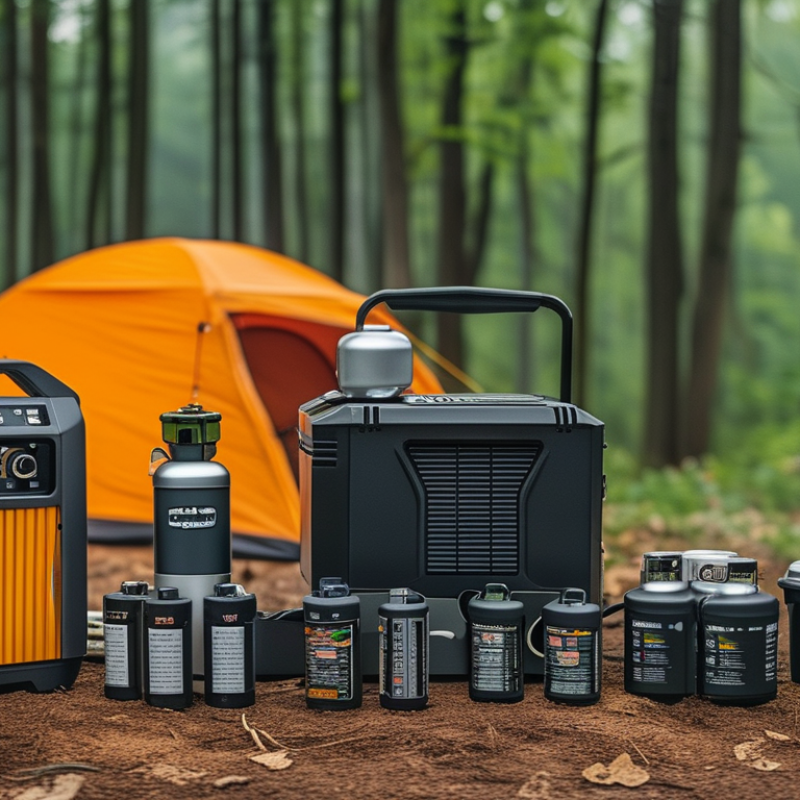
When planning your next outdoor adventure, choosing the right camping power supply is crucial. Without proper power, your experience may falter. The right camping power supply keeps devices running and lights shining.

Consider the diverse options available in the market. There are solar generators, portable batteries, and gas-powered generators. Each has unique advantages and disadvantages. Solar generators are quiet and eco-friendly but may struggle on cloudy days. Portable batteries offer convenience but may require frequent recharging. Gas-powered generators provide ample power but can be noisy and heavy.

Every camper’s needs differ. Assessing your power requirements is essential. What devices will you use? How long will you be away from a power source? Reflect on these questions to tailor your camping power supply choice. Whether you prioritize weight, capacity, or recharging time, making an informed decision will enhance your outdoor experience.
What is the Best Camping Power Supply for Your Needs?

Understanding Camping Power Supply Types and Their Features

When planning a camping trip, choosing the right power supply is essential. There's a variety of types available, each with unique features. Portable solar panels are popular among campers who prioritize sustainability and renewable energy. They are lightweight and relatively easy to set up. However, they often require direct sunlight to maximize efficiency.

Battery power stations offer more versatility. They come in various sizes and can run larger devices. Look for models with multiple output options, such as USB ports and AC outlets. Monitor their capacity closely. Overestimating your needs can lead to disappointing results. Some campers prefer gas generators for higher power demands. They provide a reliable power source, but they come with noise and emissions.

Understanding your specific camping needs is critical. Each power supply type has its pros and cons. Reflect on what devices you plan to use. Think about your typical camping environment. If you're in an area with limited sunlight, solar panels may not be ideal. Alternatively, a battery station might not suffice if you need substantial energy for cooking or heating.

Evaluating Your Power Needs for Camping Trips

When planning a camping trip, assessing your power needs is essential. Think about your electronic devices. Will you charge phones, cameras, or other gadgets? Each device has different power requirements. A basic smartphone might need around 5 watts, while a laptop could demand 60 watts or more.

Consider the duration of your camping trip. Shorter outings may only require a smaller power source. But for longer stays, a more robust solution may be necessary. It’s not just about capacity; weight and portability matter too. Carrying a heavy generator might not be practical for remote sites.

Reflect on the type of activities you have planned. If you're camping in a place with a lot of outdoor activities, you might need power for cooking or lighting. Each of these takes energy. Evaluating these factors will help you make informed decisions. Plan ahead to ensure a comfortable and enjoyable camping experience, even when unplugged.

What is the Best Camping Power Supply for Your Needs? - Evaluating Your Power Needs for Camping Trips

Power Supply Type Capacity (Wh) Output Ports Weight (lbs) Estimated Price ($)
Portable Power Station 300 2 AC, 2 USB, 1 DC 7.5 200
Solar Generator 500 3 AC, 3 USB, 2 DC 25 600
Car Battery Inverter 1000 2 AC, 2 USB 5 120
Rechargeable Power Bank 20 1 USB 0.5 30
Gas Generator 2000 4 AC, 2 USB 50 800

Comparing Portability and Weight of Different Power Supplies

When choosing a camping power supply, portability and weight are critical factors. You don't want to lug around a heavy power source during your outdoor adventures. Lightweight options are available that provide sufficient energy without adding substantial bulk to your gear. A unit weighing under 10 pounds can fit easily in a backpack. This can make a big difference when hiking long distances.

Consider the size and shape of the power supply. Compact models are easier to store and transport. Some power supplies fold up or have a slim design, which can save space. However, these smaller units sometimes offer less power capacity. You'll need to balance portability with your energy needs, especially if you plan to charge multiple devices.

Even the most portable option may come with drawbacks. Battery life can be shorter in lightweight models. The trade-off between power and convenience is real. If you're only charging small devices, a compact unit may suffice. However, if you need to run larger appliances, prepare for heavier equipment. Each camping trip might require a different setup. Reflecting on past experiences can help inform your next choice.

Assessing Battery Capacity and Durability for Outdoor Use

When planning a camping trip, battery capacity and durability become crucial factors. A power supply must withstand rough outdoor conditions. Ideally, it should support various devices, from lights to phones. Capacity often refers to how much energy the battery can hold. A higher capacity allows for longer usage, but size and weight also matter.

Durability is another key element. Your power supply should resist water and impacts. A rugged design can prevent damage from drops or wet weather. Look for batteries with robust casing. In some cases, solar charging features can provide crucial backup power, enhancing sustainability. However, solar options can be less reliable in cloudy weather.

Reflecting on personal experiences, durability can sometimes falter. I’ve faced challenges with unreliable power supplies under rigorous conditions. It’s essential to test your gear before heading out, considering the wear it might face. Camping brings unpredictability, so choose wisely. Evaluating your specific needs is vital to finding the best camping power supply.

Exploring Additional Features: Solar, USB Ports, and Inverter Options

When choosing a camping power supply, consider its added features. Solar options are fantastic for outdoor trips. They harness sunlight, providing an eco-friendly power source. Look for reliable panels that suit your needs. A portable solar panel can charge your devices without consuming fossil fuels.

USB ports are vital for modern camping. They allow you to charge phones, cameras, and more. Ensure the power supply has multiple USB outputs. This is useful for groups. It can keep everyone connected and capture those perfect moments. Always check the output wattage, too. Some devices may require more power than others.

Inverter options also deserve attention. They convert DC power to AC power. This is essential for running larger devices like laptops. Yet, they can drain the battery quickly. Consider your usage before relying on an inverter. Also, keep a close eye on your battery level. Running out of power can ruin a trip, so plan ahead.

Tip: Always test your power supply at home. Familiarize yourself with its functionalities. Doing so will save time and stress while camping. Having backups, like power banks, can also provide peace of mind.

FAQS

: What power supply types are available for camping?

: There are several types, including solar panels, battery power stations, and gas generators.

Why are solar panels popular among campers?

They support sustainability, are lightweight, and are easy to set up, but need direct sunlight.

What should I consider when choosing a power station?

Look for size, output options, and capacity. Overestimating your needs can lead to issues.

Are gas generators reliable for camping?

Yes, they provide strong power, but they can be noisy and release emissions.

How do I assess my power needs for camping?

Consider the electronic devices you'll use and their power requirements, like smartphones and laptops.

Is weight an important factor for camping power supplies?

Yes, heavier generators can be impractical for remote sites, so portability matters.

How does the duration of my trip affect power needs?

Short trips may need less power, while longer stays may require more robust solutions.

What activities might impact my power requirements?

Cooking, lighting, and using devices outdoors will all need energy, so plan accordingly.

Do I need to think about the camping environment?

Absolutely. Limited sunlight areas may not be suitable for solar panels, impacting your decision.

Can I get by with a smaller power source on short trips?

Yes, but reflect on your devices and activities to avoid running out of power unexpectedly.

Conclusion

Choosing the right Camping Power Supply is essential for ensuring that your outdoor adventures are comfortable and convenient. It is important to understand the various types of camping power supplies available, each with unique features tailored for different camping needs. Evaluating your power requirements is crucial, as this will help determine the right capacity and durability necessary for your trips.

When assessing your options, consider the portability and weight of each power supply, especially if you plan to hike to your campsite. Additionally, look for features that enhance functionality, such as solar charging capabilities, multiple USB ports, and inverter options for powering various devices. By taking the time to evaluate these factors, you can select a Camping Power Supply that perfectly fits your outdoor lifestyle.

Oliver

Oliver

Oliver is a seasoned marketing professional with a wealth of expertise in driving brand awareness and engagement. With a deep understanding of our company's product offerings, he consistently delivers high-quality content that enriches our professional blog. His insights not only shed light on......