Choosing the right Mobile Powerstation is crucial for anyone who relies on portable energy. Experts agree that a good choice can greatly enhance outdoor experiences or emergency preparations. Ryan O’Neill, a leading authority in portable energy solutions, states, “The best Mobile Powerstation is one that fits your specific needs seamlessly.”
When selecting a Mobile Powerstation, consider your power requirements. What devices will you charge? A more powerful station offers versatility but might be bulkier. Smaller models are easier to transport but may not meet all energy demands. It’s essential to balance power capacity with your lifestyle needs.
Investing in a Mobile Powerstation is a significant decision. Each model has its pros and cons. A common pitfall is overlooking the importance of weight and size. Some users find themselves with a unit too heavy for camping trips. Others may regret not opting for additional features like solar charging. Reflecting on these aspects helps ensure a satisfying purchase.
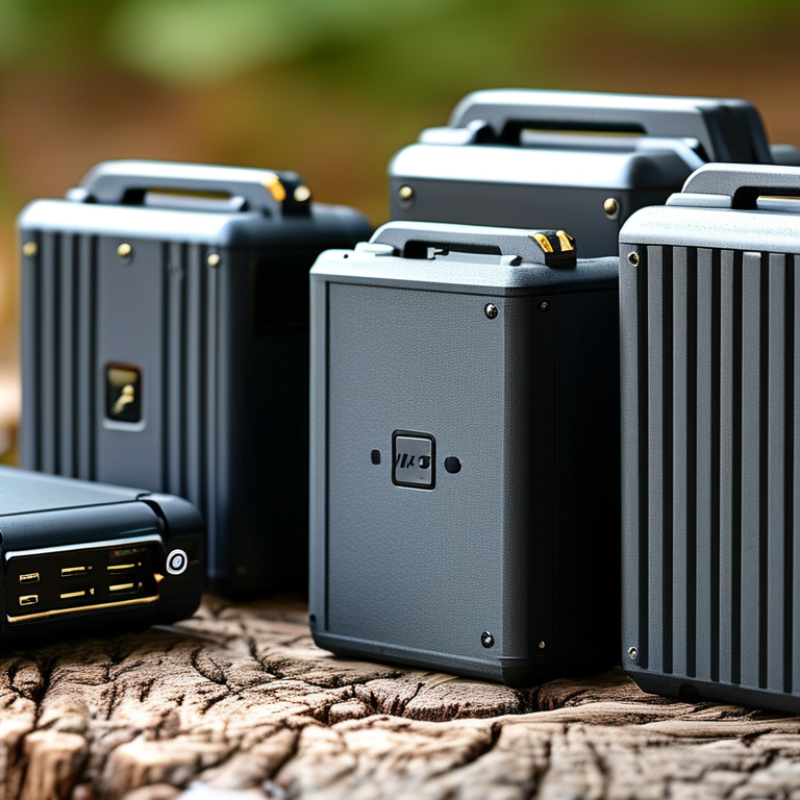
When selecting a mobile power station, understanding your power needs is essential. Consider how you will use the device. According to a recent report by the Consumer Technology Association, about 60% of users prioritize portability and weight. For camping trips, you need a lightweight unit that can power lights and small appliances. On the other hand, a worksite might require more robust backup power for tools and devices.
Identify the appliances and devices you aim to power. A mobile power station typically lists output watts. Small gadgets like phones require low wattage. Larger devices, like refrigerators, need significantly more. The same CTA report shows that 70% of users underestimate their wattage needs. This often leads to purchasing inadequate units.
Battery capacity matters, too. Look for models with enough capacity for your usage. A power station may offer 300Wh, but heavy usage drains that quickly. Users should reflect on their daily habits. If you plan to run multiple high-watt devices, consider the extra weight and size of higher-capacity options. Balancing your needs with practical portability can be challenging, but it's crucial for satisfactory performance.
| Power Output (W) | Battery Capacity (Wh) | Ports Available | Weight (lbs) | Usage Scenario |
|---|---|---|---|---|
| 300 | 256 | 2 AC, 2 USB-A | 7.5 | Camping |
| 600 | 500 | 3 AC, 4 USB-A, 1 DC | 10 | Outdoor Events |
| 1000 | 800 | 4 AC, 2 USB-A, 1 USB-C | 20 | Emergency Backup |
| 1500 | 1000 | 6 AC, 4 USB-A, 2 USB-C | 25 | Power Tools & Appliances |
When choosing a mobile power station, evaluating battery capacity is crucial. Battery capacity is typically measured in watt-hours (Wh). A higher Wh rating indicates a stronger ability to power devices over extended periods. For instance, a 500Wh power station can run a 50W device for around 10 hours. Understanding your devices’ wattage helps in selecting the right capacity.
Runtime requirements are another vital consideration. The runtime varies by device usage patterns. For example, a smartphone may require less power than a small refrigerator. According to various industry reports, the average laptop consumes about 60W. This means a 600Wh power station would operate it for roughly 10 hours under optimal conditions. However, real-world efficiency factors, like inverter losses, can reduce this time. It’s important to account for these variances to avoid unexpected shutdowns.
Many users overestimate their power needs, leading to frustration. Some may pick a unit with insufficient capacity for longer trips. Others might choose models with excess capacity, leading to wasted resources. Balancing your power needs effectively requires careful consideration of both capacity and runtime requirements. As battery technology evolves, so do the options available. Being informed can prevent future inconveniences.
When choosing a mobile power station, portability and design features are key considerations. According to industry reports, over 70% of users prioritize a lightweight design. A typical weight range for portable power stations is between 20 to 30 pounds. This weight allows for ease of transport, whether for camping trips or outdoor adventures. Models exceeding this range can be cumbersome, making daily use challenging.
Design features encompass various ports, sizes, and battery types. A suitable power station should ideally have multiple outlets for various devices. A recent survey indicated that consumers prefer at least three AC outlets and multiple USB ports. Compact designs often sacrifice power capacity or features, making it difficult to balance portability with functionality.
Tips: Test weight and dimensions before purchasing. Carry a few models around if possible. Check user reviews for insights on real-world portability. Also, consider battery options and recharge times. Realize that what works for one use may not suit another. Always rethink your priorities based on changing needs. This clarity helps in making informed choices.
When selecting a mobile power station, understanding output options is vital. These devices can have various ports, which impact their versatility. Common outputs include AC, DC, and USB ports. Each type serves different devices. For example, AC outputs can power small appliances. On the other hand, USB ports are perfect for charging smartphones and tablets.
Compatibility with your devices is a significant consideration. Not all devices work with every power station. Before purchasing, check the voltage requirements. Some electronics may need a pure sine wave output to function correctly. Mismatched voltages can damage sensitive equipment. Ensuring that your mobile power station can handle your specific devices will save you from future inconveniences.
Despite the technical aspects, personal needs vary greatly. A family may need more capacity compared to a solo camper. Reflect on your typical usage patterns. Take into account the devices you rely on most. This process might feel overwhelming, but it can help you find the right fit. Make your choice based on informed decisions, not just specifications.
When selecting a mobile power station, assessing price, warranty, and customer support is crucial. According to industry reports, such as those by Statista, the market for portable chargers is expected to grow significantly. This suggests that manufacturers are under pressure to provide high-quality products at competitive prices.
Price is often the first consideration. Many options exist, ranging from budget-friendly to premium. Consumers should weigh the features against the cost. A lower price may come with limited functionality or poor battery longevity. Conversely, a more expensive option could offer features like fast charging and multiple outlet types, making it a better long-term investment.
Warranty and customer support can make a significant difference. A strong warranty typically indicates a manufacturer's confidence in its product. According to a 2022 study by Consumer Reports, products with longer warranty periods tend to have lower failure rates. Good customer support enhances the overall experience. Users should check online reviews for insights on support responsiveness. If issues arise, effective support can be invaluable. Thus, considering these elements carefully may lead to a more satisfying purchase.
: Battery capacity is measured in watt-hours (Wh). Higher Wh means longer device power.
Runtime varies by device usage. Knowing how long your devices need power helps in selection.
A typical laptop uses about 60W. This impacts how long a power station can run it.
Real-world efficiency, like inverter losses, often reduces the expected runtime of devices.
Overestimating can lead to frustration or selecting an inadequate power station for trips.
Look for AC, DC, and USB ports. Each one suits different devices and needs.
Not all devices are compatible with every power station. Mismatched voltages can cause damage.
Think about typical usage and essential devices. Assessing these helps in making informed choices.
Yes, selecting unnecessary capacity can lead to wastage, so balance is key.
It can feel overwhelming. However, informed decisions based on needs lead to better choices.
When choosing the best mobile powerstation for your needs, it is essential to start by understanding your specific power requirements and usage scenarios. Assess factors such as the devices you intend to charge, the total energy consumption, and how often you'll be using the powerstation in different environments. Evaluating battery capacity and runtime requirements will ensure that your mobile powerstation meets your energy demands adequately.
Additionally, portability and design features are crucial for selecting a model that fits your lifestyle. Consider the weight, shape, and ease of transport. Next, analyze the output options to ensure compatibility with your devices, as well as the number of ports available. Finally, assess the price, warranty, and customer support services to ensure you're making an informed investment in a mobile powerstation that offers reliability and value for your needs.

Grenergy